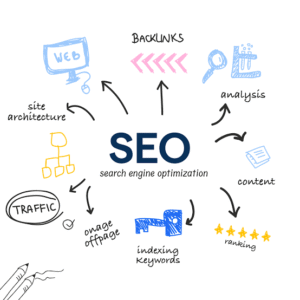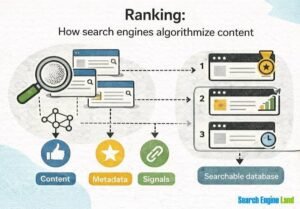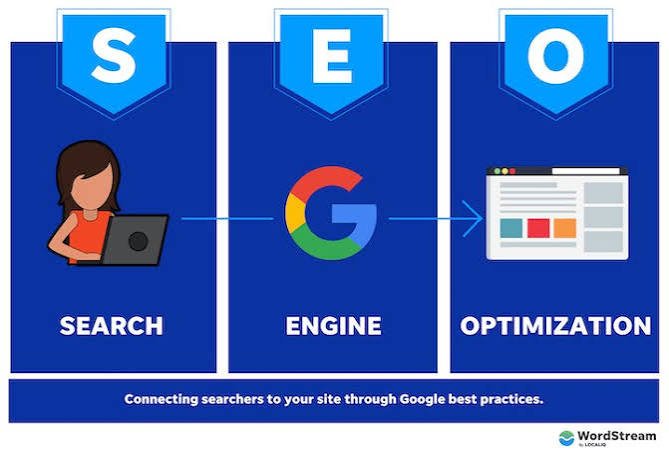
Search Engine Optimization (SEO) is the practice of enhancing a website to improve its visibility on search engines like Google. By optimizing your site’s technical foundation, content, and authority, you increase the quantity and quality of unpaid (organic) traffic it receives from users searching for specific topics, products, or services. [1, 2, 3]
SEO is generally divided into three core pillars: [1]
1. On-Page SEO (Content Strategy)
-
- Keyword Research: Identifying the specific search terms your audience uses and integrating them naturally into your text.
- Content Relevance: Creating high-quality, unique, and valuable content that directly answers the user’s query.
- Meta Data: Crafting compelling title tags and meta descriptions to improve your click-through rate from the search results page (SERP).
- Site Structure: Using semantic header tags (H1, H2, H3) to organize topics clearly. [1, 2, 3, 4]
2. Technical SEO
- Site Speed: Optimizing load times for both desktop and mobile devices.
- Mobile-Friendliness: Ensuring the design performs perfectly on small screens.
Crawlability: Using clean internal linking and managing structural directives so search engines find your pages efficiently. [1, 2, 3]
3. Off-Page SEO (Authority)
This focuses on building trust and credibility, which signals to search engines that your website is a reliable source of information. [1]
- Link Building: Earning high-quality backlinks (links pointing to your site) from other authoritative websites.
- Brand Mentions & Signals: Fostering positive sentiment across the web and social platforms.